
1. 한글, 세종대왕이 만든 ‘배움의 언어’ — 초등학교에서 배우는 첫 번째 문화
한국의 초등학교 1학년 교실에서 가장 먼저 배우는 것은 ‘한글’입니다.
한글은 단순한 알파벳이 아니라 소리와 철학이 결합된 과학적인 문자 체계입니다.
15세기 세종대왕이 “모든 백성이 쉽게 읽고 쓸 수 있도록” 만들었기 때문에,
오늘날 외국인에게도 배우기 가장 쉬운 문자 중 하나로 평가받습니다.
한국 아이들은 입학 첫 주부터 “ㄱ, ㄴ, ㄷ” 같은 자음을 배우며 언어의 세계로 들어갑니다.
하지만 한국의 한글 교육은 단순한 문자 암기가 아닙니다.
‘소리 → 뜻 → 생각 → 표현’으로 이어지는 사고력 중심의 과정입니다.
외국인의 시각에서 보면 놀라운 점은,
한국 초등학교는 한글을 통해 언어뿐 아니라 감정, 사고, 사회적 표현까지 함께 가르친다는 것입니다.
즉, 한글 수업은 문자 교육이자 인성 교육의 출발점입니다.
2. 소리로 시작하는 한글 교육 — 발음과 리듬으로 배우는 한국어의 감각
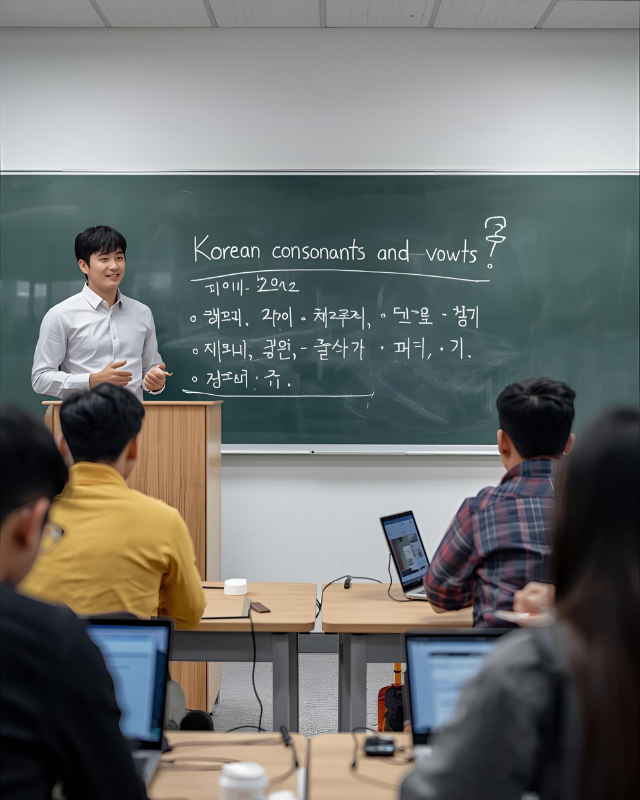
한국의 초등학교 1학년은 글자보다 ‘소리’를 먼저 배웁니다.
이는 영어의 ‘phonics’ 교육과 비슷하지만, 한글은 자음과 모음을 조합해 소리를 만드는 ‘조립식 문자’라는 점에서 더욱 체계적입니다.
예를 들어 교사는 “ㅏ” 소리를 낼 때 입 모양이 어떻게 변하는지 보여주며,
“가, 나, 다”를 노래하듯 따라 하게 합니다.
이때 아이들은 글자를 외우기보다 ‘소리의 규칙’을 몸으로 익히게 됩니다.
한국에서는 이를 ‘음운 인식(phonemic awareness)’이라고 부르며,
모든 초등학교 국어 교과서의 1단원에서 가장 먼저 다루는 핵심 개념입니다.
외국인 학습자도 이 방식을 그대로 따라 해보면 좋습니다.
한글 자음 14개와 모음 10개를 각각 소리로 듣고,
입모양과 혀의 움직임을 관찰하면서 발음을 익히면
자연스럽게 읽기 능력이 형성됩니다.
예시 학습법:
- ‘ㅏ’는 입을 크게 벌리고 “ah” 소리 내기
- ‘ㅗ’는 입술을 오므리며 “oh” 소리 내기
- ‘ㄱ’은 혀 뒤쪽으로 막았다가 공기를 내보내며 “g”
- ‘ㅂ’은 입술을 붙였다 떼며 “b”
한국의 교실에서는 이런 발음을 리듬과 함께 익히게 하여,
아이들이 음악처럼 배우고 기억할 수 있도록 합니다.
3. 글자 조합의 원리 — 외국인이 이해하기 쉬운 ‘한글의 과학’
한글의 가장 큰 특징은 모든 글자가 논리적인 구조를 갖고 있다는 것입니다.
영어 알파벳이 단어마다 불규칙한 발음을 가지는 것과 달리,
한글은 ‘자음 + 모음’의 규칙만 알면 거의 모든 발음을 예측할 수 있습니다.
예를 들어,
‘가’는 ㄱ + ㅏ,
‘고’는 ㄱ + ㅗ,
‘국’은 ㄱ + ㅜ + ㄱ 으로 구성됩니다.
이 규칙을 배우면 외국인도 하루 만에 50개 이상의 글자를 읽을 수 있습니다.
한국 초등학교 1학년 교실에서는 이 조합을 ‘낱말 카드’로 시각화합니다.
예를 들어, ‘바나나’, ‘고양이’, ‘학교’ 등의 단어를 카드에 적고,
아이들이 직접 글자를 조합해보며 단어를 완성합니다.
한글의 조합 원리를 이해하면, 외국인 학습자도 한글을 ‘그림처럼’이 아니라
‘소리의 수학 공식처럼’ 배울 수 있습니다.
4. 한국 초등학교에서의 한글 학습 루틴 — 하루 15분의 꾸준한 반복
한국의 초등학교에서는 한글을 하루 종일 배우지 않습니다.
매일 약 15~20분 정도, 짧지만 집중적인 반복 학습을 합니다.
그 대신 학교생활 전반에 걸쳐 한글이 자연스럽게 녹아 있습니다.
예를 들어,
- 수학 시간: 문제를 읽고 문장을 이해하는 과정에서 한글을 활용
- 미술 시간: 작품 제목을 한글로 적기
- 체육 시간: 규칙표를 읽으며 한글을 실생활에 적용
이처럼 한글은 교과 간 통합형으로 학습됩니다.
외국인이 한국의 교육 현장을 이해할 때,
이 ‘생활 속 언어 교육’이야말로 한글 습득의 핵심이라는 점을 알면 좋습니다.
또한 가정에서도 매일 15분씩 읽기·쓰기 연습을 합니다.
한국 부모들은 아이가 하루에 3~4개의 글자만 완벽히 익히는 것을 목표로 합니다.
속도보다 정확한 발음과 즐거운 경험을 중시합니다.
5. 한글을 배운 후, ‘읽기’보다 ‘생각하기’를 강조하는 이유
한글을 다 배웠다고 해서 끝이 아닙니다.
한국의 초등학교는 한글을 ‘생각의 도구’로 사용하도록 가르칩니다.
즉, 글자를 읽는 것보다 읽은 내용을 이해하고 표현하는 능력이 중요합니다.
1학년 2학기부터는 ‘받침’을 배우고, 간단한 문장을 구성하는 단계로 넘어갑니다.
“나는 학교에 갑니다.”, “사과가 맛있어요.” 같은 문장을 쓰며
자신의 생각을 글로 표현하는 훈련을 합니다.
이 과정은 외국인이 한국어를 배울 때도 매우 유용합니다.
한글을 외우는 것에서 멈추지 말고,
그 글자를 이용해 자신의 감정이나 생각을 표현하는 문장을 만들어보는 것이 중요합니다.
예를 들어,
- “저는 한국이 좋아요.”
- “오늘은 날씨가 맑아요.”
이런 간단한 문장을 매일 써보는 것만으로도 한글이 생활 언어로 자리잡습니다.
6. 외국인을 위한 한글 학습 팁 — 한국 1학년 아이처럼 배우기
한국 초등학생의 한글 학습 방식을 그대로 따라 하면,
외국인도 짧은 시간 안에 효과적으로 배울 수 있습니다.
아래는 한국 초등학교의 방식을 변형한 외국인용 한글 루틴 예시입니다.
① 듣기 (Listening)
매일 10분, 유튜브나 한국 어린이 동요를 들으며 한글 소리에 익숙해지기.
발음보다 리듬과 억양을 느끼는 것이 중요합니다.
② 읽기 (Reading)
그림책, 표지판, 간단한 간판 글씨를 통해 실제 한글을 인식하기.
예: “학교”, “마트”, “서울”, “커피” 등 실생활 단어 중심.
③ 쓰기 (Writing)
처음부터 문장을 쓰려 하지 말고, ‘ㄱ’, ‘ㄴ’처럼 자음과 모음을 반복 쓰기.
이후에는 ‘가’, ‘나’, ‘다’로 넘어갑니다.
④ 말하기 (Speaking)
자신의 이름이나 나라를 한글로 말해보기.
“저는 일본 사람입니다.”, “저는 미국에서 왔어요.” 같은 기본 문장 활용.
⑤ 느끼기 (Emotion)
한국 아이들이 한글을 배울 때 가장 강조받는 부분입니다.
그림책을 읽고 “이건 어떤 기분이야?”라는 질문을 던지며
언어와 감정을 연결하는 훈련을 합니다.
한글은 단순한 알파벳이 아니라, 감정을 담는 글자입니다.
이 점을 이해하면, 외국인 학습자도 한국어를 ‘문자’가 아니라 ‘문화’로 받아들일 수 있습니다.
7. 한글을 통해 한국 문화를 배우다 — 언어는 마음의 창
한국 초등학교의 한글 수업은 결국 ‘사람을 이해하는 수업’입니다.
아이들은 글자를 익히면서 동시에 예절, 존댓말, 공감 표현을 함께 배웁니다.
예를 들어,
“안녕하세요”라는 인사는 단순한 문장이 아니라
상대방을 존중하는 마음을 담은 표현입니다.
이 한마디를 쓰기 위해 아이들은 한글의 ‘ㅇ’, ‘ㅏ’, ‘ㄴ’을 배우면서
한국의 인사 문화를 자연스럽게 습득하게 됩니다.
외국인 학습자에게도 이 과정은 중요합니다.
한글을 익히는 동시에, 한국 사람들이 왜 그렇게 정중하게 말하고
상대의 감정을 중시하는지 이해할 수 있는 계기가 됩니다.
결국, 한글은 한국 문화를 가장 순수한 형태로 담고 있는 ‘문화의 거울’입니다.
한글을 배우는 것은 단순한 언어 학습이 아니라,
한국인의 사고방식과 감정의 구조를 배우는 일입니다.
8. 결론 — 한글은 세상에서 가장 인간적인 문자
한국 초등학교 1학년 아이들이 한글을 배우는 모습은 단순히 교육 과정이 아니라,
‘배움이 즐거울 수 있다’는 문화적 메시지를 보여줍니다.
그들은 소리를 노래하듯 익히고, 단어를 그림처럼 느끼며,
글자를 통해 자신의 마음을 표현하는 법을 배웁니다.
외국인에게 한글은 어렵지 않습니다.
오히려 배우면 배울수록 ‘언어는 생각의 도구’라는 사실을 깨닫게 됩니다.
한국의 아이들처럼, 매일 15분씩 꾸준히,
소리와 감정으로 한글을 배우면 어느새 한국어가 마음속에 스며듭니다.
한글은 단순한 글자가 아니라 사람을 연결하는 마음의 언어입니다.
이것이 바로 한국 초등학교 1학년 교실이 세계 어느 나라보다 특별한 이유입니다.
하단은 윗 글을 ChatGPT로 번역한 영문본 입니다.
저는 영알못이라...모든 영어는 ChatGPT로 번역합니다.The following is the English translation of the text above, done by ChatGPT.
Since I’m not good at English, all English translations are done through ChatGPT.

1. Hangul, the “Language of Learning” Created by King Sejong — The First Culture Taught in School
In a Korean first-grade classroom, the very first thing children learn is Hangul, the Korean alphabet.
Hangul is not just a set of symbols—it is a scientific writing system combining sound, structure, and philosophy.
It was invented in the 15th century by King Sejong with the purpose of enabling all people to read and write easily.
For this reason, even today, Hangul is considered one of the most logical and learner-friendly alphabets in the world.
From the first week of school, Korean children begin with consonants like “ㄱ, ㄴ, ㄷ,” stepping into the world of language.
But Korean language education is not simple memorization.
It follows a process of “sound → meaning → thought → expression.”
From a foreign perspective, it is remarkable that Korean elementary schools teach more than just reading and writing—
they use Hangul to nurture emotion, reasoning, and social expression.
In other words, Hangul education is not only literacy training but also the foundation of character and communication.
2. Learning Begins with Sound — Discovering the Rhythm and Melody of the Korean Language
Korean first graders begin not with letters, but with sound.
It is somewhat similar to English phonics, but Hangul is more systematic because every syllable is a combination of consonant and vowel blocks.
For example, teachers show students how the mouth moves when saying “ㅏ,”
and have them chant “가, 나, 다” in a rhythm, almost like a song.
Through this method, children learn the pattern of sound, not by rote memorization but through sensory experience.
This process is called “phonemic awareness”, and it is the very first topic in every first-grade Korean language textbook.
Foreign learners can follow the same method.
By listening to the 14 basic consonants and 10 vowels while observing the mouth and tongue movements,
you can naturally develop reading fluency.
Example pronunciation practice:
- “ㅏ” — open your mouth wide and say ah
- “ㅗ” — round your lips and say oh
- “ㄱ” — block the back of your tongue and release air like g/k
- “ㅂ” — press and release your lips like b/p
In Korean classrooms, these sounds are practiced with rhythm and movement,
so children remember Hangul as music, not as memorization.
3. The Logic Behind Hangul — The “Science of Letters” Made Simple for Foreign Learners
The most fascinating aspect of Hangul is its logical structure.
Unlike English, where pronunciation varies by word,
Hangul follows a clear and predictable rule: consonant + vowel ( + final consonant).
For example:
- “가” = ㄱ + ㅏ
- “고” = ㄱ + ㅗ
- “국” = ㄱ + ㅜ + ㄱ
Once you understand this formula, you can read more than 50 syllables in a single day.
In first-grade classrooms, this is taught through “word cards.”
Children arrange syllable blocks to form words like “banana,” “cat,” or “school,” learning by construction.
This combination logic allows even foreign learners to see Hangul not as “pictures” but as a mathematical language of sound.
4. The Hangul Learning Routine in Korean Elementary Schools — 15 Minutes of Daily Repetition
In Korea, students do not study Hangul all day.
Instead, they spend 15–20 minutes daily in short, focused sessions.
The rest of the day, Hangul is naturally integrated into every subject.
For instance:
- In math class: reading and understanding problems written in Korean.
- In art class: writing titles or descriptions in Hangul.
- In physical education: reading rule boards written in Hangul.
In this way, language learning becomes part of everyday life.
For foreign learners, this immersive and practical approach is the true secret of Hangul mastery.
At home, Korean parents also encourage 15 minutes of reading or writing practice daily.
Their goal is not to memorize as many words as possible,
but to help children learn a few letters perfectly each day—
focusing on accuracy, pronunciation, and enjoyment, not speed.
5. Beyond Reading — Teaching Children to Think Through Hangul
Learning Hangul does not end with the ability to read.
Korean schools use Hangul as a tool for thinking.
Rather than simply decoding letters, students learn to understand, interpret, and express ideas.
In the second semester of first grade, they move on to final consonants (받침)
and begin writing full sentences such as
“I go to school.” (나는 학교에 갑니다.) or “The apple tastes good.” (사과가 맛있어요.).
For foreign learners, this stage is equally important.
Do not stop at memorizing characters—
use them to express your emotions and thoughts through simple sentences.
For example:
- “I like Korea.” (저는 한국이 좋아요.)
- “The weather is sunny today.” (오늘은 날씨가 맑아요.)
Writing one or two such sentences a day transforms Hangul from a symbol into a living language.
6. Practical Tips for Foreign Learners — Study Like a Korean First Grader
If you follow the same learning habits as Korean first graders,
you can master Hangul surprisingly fast.
Here’s an adapted Hangul study routine for foreigners:
① Listening — Spend 10 minutes daily listening to Korean songs or children’s rhymes.
Focus on rhythm and intonation rather than accuracy of pronunciation.
② Reading — Look for Hangul in real life: book covers, store signs, or packaging.
Start with familiar words like 학교 (school), 서울 (Seoul), 커피 (coffee).
③ Writing — Begin with basic consonants and vowels (“ㄱ”, “ㅏ”) and then form syllables (“가”, “나”, “다”).
Consistency matters more than quantity.
④ Speaking — Practice introducing yourself:
“I am from Japan.” (저는 일본 사람입니다.)
“I am from the United States.” (저는 미국에서 왔어요.)
⑤ Feeling — The most distinctive part of Korean language education.
When reading picture books, teachers often ask, “How does this make you feel?”
This connects emotion to language, helping children think beyond vocabulary.
Hangul is not just an alphabet—it is a script that carries emotion.
Understanding this will help foreign learners experience Korean not as text,
but as living culture.
7. Learning Korean Culture Through Hangul — Language as a Window to the Heart
Ultimately, Hangul lessons in Korean schools are lessons about understanding people.
While learning letters, children also learn manners, respect, and empathy.
For instance, the phrase “안녕하세요 (annyeonghaseyo)” is not just “hello.”
It carries a sense of warmth and respect.
To write this phrase, students learn the letters “ㅇ,” “ㅏ,” and “ㄴ,”
and through them, they absorb Korea’s culture of polite communication.
This is also valuable for foreign learners.
Through Hangul, one begins to understand why Koreans are so considerate in speech
and why emotional awareness is central to their language.
Hangul is, in many ways, a mirror of Korean culture.
To learn Hangul is not merely to study a language—
it is to understand how Koreans think, feel, and connect.
8. Conclusion — Hangul, the Most Human Script in the World
Watching Korean first graders learn Hangul is witnessing a culture that believes
learning should be joyful.
They sing the sounds, visualize words as art,
and learn to express their feelings through written language.
For foreigners, Hangul is not difficult.
The deeper you go, the more you realize that language is the tool of thought.
By studying just 15 minutes a day—
listening, reading, writing, and feeling—
Hangul will quietly find its place in your heart.
Hangul is more than a writing system;
it is a language of connection between people.
That is what makes a Korean first-grade classroom one of the most special places in the world.
Would you like me to now produce an SEO-optimized English version with meta-description (155 characters) + title tags + hashtags ready for Google and Medium publishing?
#KoreanLanguageLearning #LearnHangul #HangulForBeginners #KoreanAlphabet #HangulStudyTips #KoreanElementarySchool #HangulPronunciation #KoreanCultureEducation #StudyKoreanLanguage #LearnKoreanWithHangul