최근 흐름과 정부·산업 동향: “캠페인·리테일·이벤트가 한 달 새 동시에 가속화합니다”
외국인이 한국을 뷰티·패션 여행지로 선택하는 이유는 무엇일까요?
지난 한 달 사이에만도 K-뷰티·패션과 관광을 직접 연결하는 캠페인과 매장 체험 서비스가 연쇄적으로 공개되며 흐름이 구체화되었습니다.
10월 넷째 주, 한국관광공사(해외지사)는 글로벌 K-뷰티 기업과의 공동 프로모션을 포함한 관광 캠페인 확장을 발표했습니다.
동시에 서울 주요 상권의 헬스&뷰티 리테일은 외국인 전용 예약 상담, 퍼스널 쇼퍼, 다국어 구매 동선을 강화했고, 유통 대기업의 백화점 외국인 매출 또한 직전 분기 대비 두 자릿수 증가를 보고했습니다.
즉, “브랜드-매장-캠페인-도시”를 하나의 체험 동선으로 엮는 전략이 현실화되는 국면입니다.
이 새로운 동선의 핵심은 ‘도착 즉시 경험 가능한 K-뷰티·K-패션’입니다.
공항·도심 연결 구간에서 호텔 체크인 사이에 곧장 접근할 수 있는 뷰티 멀티숍, 한류 상징 스폿과 연계한 포토·스타일링 프로그램, 디지털 예약 기반의 1:1 쇼핑 상담이 결합됩니다.
여행 초기의 ‘낯섦’을 반가움으로 치환해주는 UX가 강점입니다.
관광 캠페인은 SNS 경품·미션형 참여 요소를 통해 ‘도시 곳곳을 걸으며 K-뷰티 포인트를 찾아가는’ 탐험 동선으로 바뀌고, 리테일은 체험 존과 샘플링·미니 워크숍을 통해 구매 전환을 부드럽게 이끕니다.
산업 측면에서는 K-팝·K-아트·K-패션 이벤트의 주간·월간 캘린더와 뷰티 페스티벌·플래그십 팝업 일정을 관광 마케팅과 함께 운영하려는 시도가 늘었습니다.
최근 보도에서도 “외국인 방문객이 많은 플래그십 매장에서 예약형 컨설팅·메이크업 가이드를 제공한다”는 내용이 연이어 소개되며, 오프라인 경험의 체계화가 눈에 띕니다.
이는 곧 “쇼핑하기 좋은 도시”를 넘어 “배우고 기록하고 공유하기 좋은 도시”라는 인식으로 확장됩니다.
여기에 도시관광의 감성 접점도 강화됩니다.
촬영 친화적 조명·거울·테스터 존·포토부스·스탬프 투어 같은 ‘인스타그래머블’ 요소가 매장·스트리트·이벤트 현장에 촘촘히 배치되고, 이용자는 ‘한 번의 방문으로 뷰티 루틴을 업그레이드하고 여행 콘텐츠까지 얻는’ 만족을 경험합니다.
따라서 외국인이 한국을 뷰티·패션 여행지로 선택하는 이유는 최신 트렌드 소비를 넘어, “도시 전체가 체험형 런웨이처럼 작동한다”는 신뢰가 생겼기 때문이라고 정리할 수 있습니다.
“외국인 매출이 회복의 방아쇠, 상권과 콘텐츠가 함께 살아납니다”
외국인이 한국을 뷰티·패션 여행지로 선택하는 흐름은 현장에서 어떤 경제적 효과를 만들까요?
최근 보도에서 유통 대형사의 외국인 매출 증가가 또렷하게 확인되었습니다. 이는 리테일·관광·도시 마케팅을 하나로 잇는 실증 지표입니다.
먼저, 외국인 고객의 오프라인 소비가 늘며 백화점·H&B·스트리트 상권의 객단가와 체류시간이 동반 상승합니다.
외국인은 콘텐츠 동기(뮤직·전시·페스티벌)와 쇼핑 동기(뷰티·패션·굿즈)를 결합해 한 곳에 오래 머물며, 커피·디저트·교통·숙박으로 파급됩니다.
지역상권은 ‘뷰티 클래스+촬영+쇼핑’ 같은 2~3시간짜리 코스형 상품으로 체류를 고정하고, 주중 저밀도 시간대에도 외국인 수요를 유입할 수 있습니다.
둘째, “예약 기반 체험 서비스”가 고용 구조와 비용 구조를 바꿉니다.
언어 가능 직원, 퍼스널 쇼퍼, 메이크업 아티스트, 스태프 포토그래퍼 등 서비스 직무 수요가 늘고, 이는 청년층·프리랜서·크리에이터 경제와 연결됩니다.
리테일은 단순 판매에서 ‘교육·체험·콘텐츠 제작’을 동반하는 하이브리드 매장으로 진화하고, 브랜드는 매장 내 미니 클래스·런칭 쇼케이스·협업 팝업을 통해 신제품의 초기 리뷰·UGC를 단기간에 축적합니다.
셋째, 도시 브랜딩 효과가 누적됩니다.
최근 서울 관광 앰배서더 선정과 같은 상징적 이슈는 글로벌 패션·뷰티 친화 도시 이미지를 강화하고, 해외 팬덤·팔로워의 도시 관심도를 끌어올립니다.
이때 핵심은 “누구나 쉽게 따라 할 수 있는 동선과 포맷”입니다.
공공·민간이 함께 ‘1일 1뷰티 체험 코스’, ‘런웨이 산책로(스트리트 패션 포인트)’, ‘밤의 조명·네온 포토 스팟’ 같은 콘텐츠 기반 지도를 제공하면, 방문객은 곧바로 캡처 가능한 경험을 얻게 되고 자연스럽게 도시 홍보의 참여자가 됩니다.
넷째, 면세·명품 위주의 고가 쇼핑에만 의존하지 않고 ‘합리적 가격의 K-뷰티·로컬 디자이너 브랜드’로 지출 포트폴리오가 다변화됩니다.
이는 환율·가격 민감도가 높은 시기에도 유연하게 수요를 유지하게 해주며, 지역 브랜드의 글로벌 인지도를 빠르게 확장하는 통로가 됩니다.
실제로 최근 한 달 새 보도는 외국인 고객 대상 뷰티 상담 서비스 확대, 예약형 개인화 쇼핑 출시 등 “경험에 지갑이 열린다”는 신호를 반복적으로 보여줍니다.
결론적으로, 외국인이 한국을 뷰티·패션 여행지로 선택하는 이유가 강해질수록, 도시 경제는 체험 산업·크리에이터 경제·로컬 브랜드로 분산 성장하고, ‘소비가 콘텐츠가 되는 선순환’을 가동하게 됩니다.
“캠페인 확장·서비스 다국어화·외국인 매출 증가”
데이터는 현재의 변화를 객관적으로 보여줍니다.
지난 4주 이내 공개·보도된 지표와 사실만 모아 한국이 왜 뷰티·패션 여행지로 선택되는지 정리합니다.
첫째, 관광 캠페인의 확장입니다.
한국관광공사(해외지사)가 10월 22일(현지 시각) K-뷰티 기업과의 파트너십 및 K-뷰티 경품 스위프스테이크스를 포함하는 글로벌 캠페인 확장을 발표했습니다. 관광 주제에 K-뷰티를 전면 배치해 ‘여행 동선 속 체험’을 명확한 메시지로 제시한 사례입니다.
둘째, 오프라인 리테일의 외국인 중심 서비스 강화입니다.
10월 셋째·넷째 주 보도에서 플래그십 매장의 외국인 대상 퍼스널 쇼퍼·스킨 컨설팅·예약형 쇼핑 세션이 소개되었고, 일부는 글로벌 여행 플랫폼과의 사전 예약 연동까지 지원합니다.
“도착 후 대기시간 없이 바로 체험 시작”이라는 장점이 뚜렷합니다.
셋째, 외국인 매출의 유의미한 증가입니다.
10월 중순 업계 취합 기사에 따르면 대형 백화점의 외국인 매출이 전년 동기 대비 큰 폭으로 상승했으며, 외국인 비중 증가가 전체 오프라인 회복의 견인차 역할을 했다는 분석이 제시되었습니다.
넷째, 사용자 경험(UX) 지표의 간접 신호입니다.
10월 하순 글로벌 매체의 현장형 리포트는 서울 H&B 멀티숍을 ‘원스톱 K-뷰티 체험 공간’으로 묘사하며, 다지점 방문·픽업·택배·디지털 디스플레이·추천 큐레이션 등으로 쇼핑 여정이 즐거움과 정보성을 동시에 갖췄다고 평가했습니다.
이는 ‘도시=체험형 뷰티 박람회’에 가깝다는 인상을 주어 여행 의사결정에 긍정적으로 작용합니다.
이 네 가지 데이터 축은 같은 결론에 수렴합니다.
외국인이 한국을 뷰티·패션 여행지로 선택하는 이유는 “공식 캠페인이 체험을 권하고, 매장이 서비스로 그 체험을 완성하며, 매출이 그 효과를 증명한다”는 선순환 구조가 최근 한 달 사이에 더 선명해졌기 때문입니다.
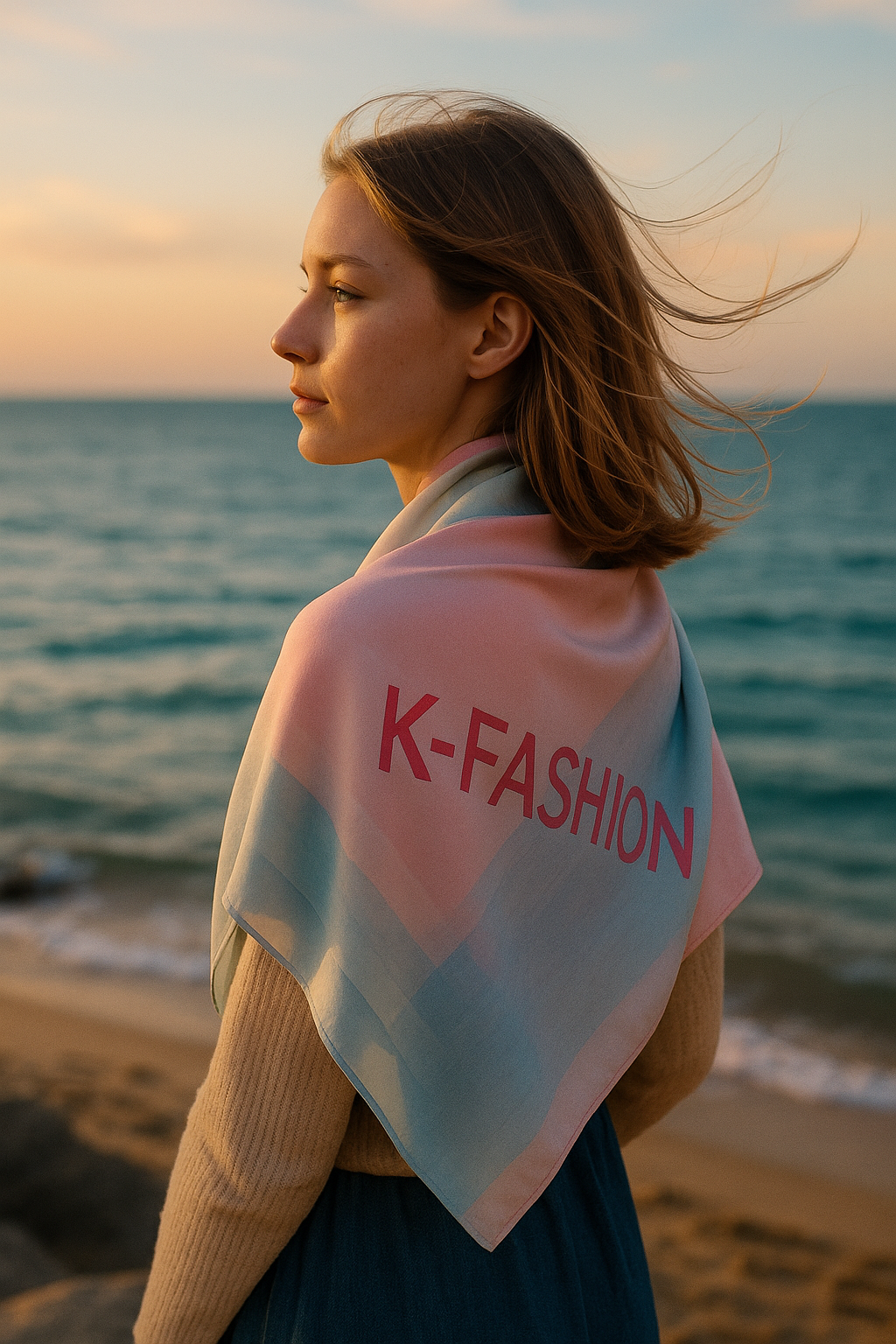
“예약-체험-공유의 ‘SOCIAL UX’가 선택을 결정합니다”
한국을 뷰티·패션 여행지로 고르는 해외 소비자의 심리는 어디에서 비롯될까요?
최근 보도들은 공통적으로 ‘예약-체험-공유’의 3단계 SOCIAL UX를 강조합니다.
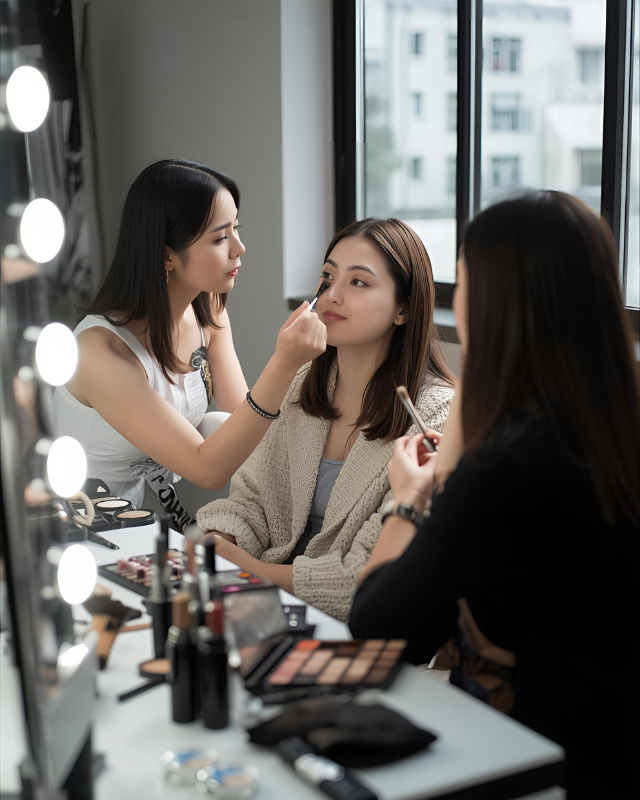
해외 매체는 한국의 H&B 플래그십이 다양한 로컬·인디 브랜드를 한 공간에서 테스트하고, 직원 추천·디지털 가이드·세분화된 카테고리 전시로 초보자도 실패 확률을 낮추는 구조임을 상세히 서술합니다.
여기에 K-팝 협업 굿즈와 팝업·포토부스·도시형 루트가 결합되면서 “배우는 재미+찍는 재미+사는 재미”가 동시에 충족됩니다.
또 다른 아시아권 리테일 전문 매체는 외국인 유입 상권의 매장들이 글로벌 여행 플랫폼과 손잡고 45분 내외의 개인화 세션을 제공한다고 소개했습니다.
이 포맷은 여행 일정이 빡빡한 방문객에게 최적의 시간 효율을 제공합니다.
국내 경제지의 보도는 외국인 매출 급증, 면세점 외 대체 쇼핑 채널의 성장, 생태계의 넓은 파급을 다루며, ‘도심형 뷰티·패션 관광’이 특정 업태를 넘어 백화점·로드숍·편집숍·관광 이벤트로 확산 중임을 보여줍니다.
또한 K-팝·전시·페어와의 연계가 잦아지면서 “일정표를 문화 캘린더에 맞춘다”는 이용자 후기가 늘고, SNS에서는 ‘#KBeautyTrip #KFashionTour #SeoulShopping’ 같은 해시태그와 함께 루트·영수증·후기가 묶인 캘러셀 포스팅이 다량 유통됩니다.
해외 대도시들과의 비교에서 한국의 강점은 ‘한 도시 안의 짧은 이동거리’와 ‘합리적 가격대의 고퀄리티 제품’ 그리고 ‘K-컬처와의 실시간 접속성’입니다.
즉, 공연·전시·런웨이·팝업과 쇼핑이 지하철 몇 정거장으로 연결되고, 브랜딩이 강한 로컬 제품을 합리적 가격으로 체험·구매할 수 있으며, 앰배서더·콜라보·팝업 소식이 SNS를 통해 즉각 공유된다는 점이 선택의 결정적 동인으로 작동합니다.
결과적으로, 예약으로 시작해 체험으로 확증하고 공유로 증폭하는 3단계 SOCIAL UX가 한국 선택을 견인하고 있습니다.
“도시는 오늘도 작은 런웨이가 됩니다”
외국인이 한국을 뷰티·패션 여행지로 선택하는 이유는 통계보다 먼저 거리의 공기에서 느껴진다고들 합니다.
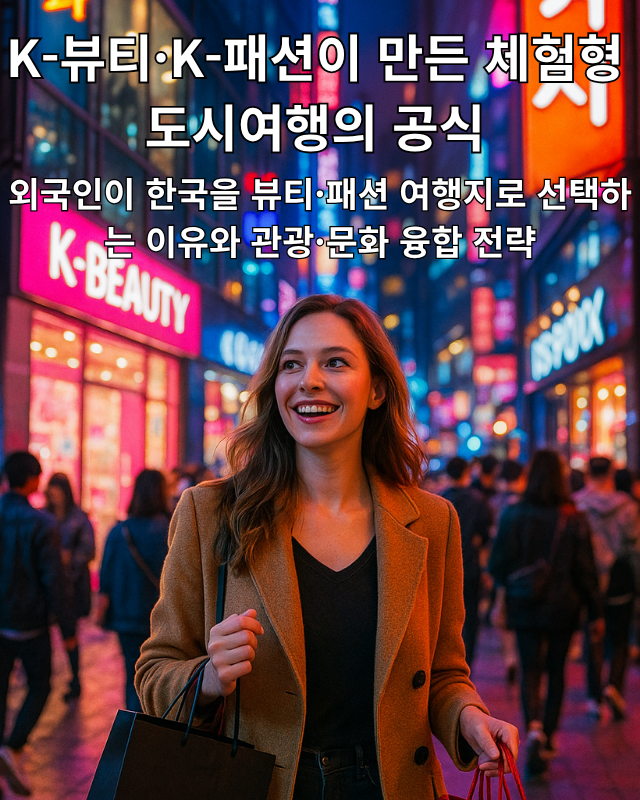
저녁의 네온과 유리 파사드 사이로, 매장 앞 작은 포토존에서 누군가가 방금 산 립 제품의 발색을 카메라에 담습니다.
샘플 파우치를 흔들며 웃는 표정, 매장 스태프가 권해준 색 번호를 메모하는 손끝, 옆 카페에서 녹초가 된 쇼핑백을 쉬게 하는 순간—그 작은 장면들이 도시의 리듬이 됩니다.
길을 걷다 보면 ‘뷰티 클래스 15분 뒤 시작’이라는 알림이 뜨고, 일행은 자연스럽게 발걸음을 옮깁니다.
거울 조명 아래 낯선 얼굴의 호기심이 반짝일 때, 도시는 누구에게나 ‘한 번쯤의 변신’을 허락합니다.
한 켠에서는 1:1 퍼스널 쇼핑 세션이 막 끝나고, 다른 켠에서는 협업 팝업의 스탬프를 찍는 줄이 늘어납니다.
한국 여행의 기억은 이제 한 장의 영수증이 아니라, ‘내 피부 톤에 맞춘 팔레트·서울의 조명·걷고 싶어지는 골목’ 같은 감각의 묶음으로 남습니다.
이 감각은 일상으로 돌아와서도 오래 지속됩니다.
여행 중 배운 루틴을 아침 세면대에서 반복하며, 한국에서 받은 미니 브러시가 이국의 차가운 햇빛 아래 새로 반짝입니다.
친구에게 보내는 메시지에는 주소와 추천 루트가 덧붙고, “다음엔 같이 가자”는 한 문장이 약속처럼 남습니다.
그래서일까요.
외국인이 한국을 뷰티·패션 여행지로 선택하는 이유는 결국 ‘나를 바꾸는 작고 선명한 경험’이 도시에 충분히 준비되어 있기 때문이라고, 우리는 스스로의 일상에서 확인합니다.
“핵심 키워드는 ‘예약형 체험’과 ‘지역 분산’입니다”
앞으로 한국이 더 확실하게 뷰티·패션 여행지로 자리매김하려면 무엇이 필요할까요?
저는 두 가지를 제안합니다.
첫째, 예약형 체험 포맷의 표준화입니다.
도심 H&B·플래그십·편집숍·살롱이 공통으로 사용할 수 있는 30·45·60분짜리 클래스·컨설팅 패키지를 다국어로 표준화하고, 여행 플랫폼·관광 지도·결제까지 한 번에 연동하는 것입니다.
둘째, 지역 분산입니다.
명동·성수·강남을 넘어 부산(광복·전포), 대구(동성로), 광주(충장로), 제주(구도심·애월) 등 지역 거점에 ‘K-뷰티 산책로’와 ‘로컬 디자이너 스토어 루프’를 조성해 1~2박의 체류를 자연스럽게 유도해야 합니다.
이 과정에서 공공은 도시 브랜딩·안내·사인·야간 조명·안심귀가 인프라를, 민간은 예약형 콘텐츠·언어 지원·반품·배송·A/S 정책을 정교화하면 좋겠습니다.
또한 앰배서더·콜라보 소식을 관광 달력과 통합해, 이용자가 ‘이번 달 뷰티-패션-공연 캘린더’를 한 번에 보는 환경을 제공한다면 방문 결정 속도는 더 빨라질 것입니다.
한 달 새 공개된 자료가 말해주듯, 외국인이 한국을 뷰티·패션 여행지로 선택하는 이유는 이미 ‘캠페인-매장-콘텐츠’의 선순환으로 증명되고 있습니다.
이제 과제는 품질의 일관성과 지역의 확장입니다.
예약형 체험의 문턱을 낮추고(다국어·간편결제·즉시 환불), 지역 루프를 촘촘히 깔면, 한국은 “오늘도 작은 런웨이가 되는 도시”로 오래 기억될 것입니다.
#외국인관광 #뷰티여행 #패션여행 #K뷰티 #K패션 #서울여행 #한국관광 #체험관광 #퍼스널쇼퍼 #한류트렌드 #플래그십스토어 #여행캘린더
Why Foreign Tourists Choose Korea as a Beauty & Fashion Destination — How K-Beauty and K-Fashion Became Experiential Travel Icons
Latest Trends and Government & Industry Actions: “Campaigns, Retail, and Events Accelerate Together”
Why are foreign tourists increasingly choosing Korea as a beauty and fashion travel destination? Over the past month, new marketing campaigns, retail experiences, and urban events have converged to turn “beauty-fashion tourism” into a tangible trend.
In late October 2025, the Korea Tourism Organization (KTO) announced a global partnership with leading K-beauty companies to expand promotional campaigns abroad. Simultaneously, major health & beauty retailers in Seoul introduced multilingual shopping assistants, foreign-visitor booking systems, and personalized consultations. Department stores also reported double-digit growth in foreign sales compared to the previous quarter. Together, these signals show a coordinated national effort to connect brand → store → campaign → city into one seamless visitor journey.
The new strategy centers on “instant K-beauty experiences upon arrival.” Tourists can now go from the airport to a flagship store within minutes, participate in make-up or styling workshops, and join photo-ready events designed around K-pop and K-fashion landmarks. Government-led tourism campaigns have also shifted from billboard advertising to interactive, mission-style city challenges that encourage visitors to explore Seoul’s “beauty points.” Retailers complement this by offering test zones, sampling stations, and pop-up mini-classes that naturally drive engagement and purchase.
Industry players are expanding cross-sector collaborations. Fashion weeks, cultural fairs, and wellness festivals now include K-beauty pop-ups, styling corners, and live shows, creating synergy between tourism and consumer experience. In short, Korea is transforming from a “good place to shop” into a “good place to learn, record, and share.”
The emotional dimension is equally vital. Shops and streets are designed with photo booths, flattering mirrors, mood lighting, and digital kiosks to enhance the “Instagrammable” experience. Visitors don’t just shop—they create content and stories. The reason foreigners choose Korea as a beauty and fashion travel hub lies in this transformation: an entire city that feels like a living runway.
Economic and Social Ripple Effects: “Foreign Spending Becomes the Trigger for Recovery”
The rise of beauty-fashion tourism brings measurable economic benefits to Korean cities. Retail chains report strong recovery driven by foreign customers, with data showing extended dwell times and higher average spending.
First, offline spending is growing. Tourists combine cultural motives (concerts, exhibitions, festivals) with shopping motives (beauty, fashion, local goods). They stay longer in one district, spreading spending to cafés, restaurants, transportation, and hotels. Local merchants now design 2–3-hour “class + photo + shopping” experiences, converting casual visits into full itineraries.
Second, personalized booking services are reshaping employment and costs. Retailers hire multilingual staff, personal shoppers, makeup artists, and in-store photographers. Jobs related to service and content creation are increasing, linking tourism to the creator economy. Stores evolve into hybrid venues—part retail, part classroom, part studio—hosting workshops and pop-ups that generate instant user-generated content (UGC).
Third, the city branding effect is powerful. Seoul’s “Tourism Ambassador” program and influencer partnerships boost Korea’s image as a stylish, culture-friendly metropolis. City maps now include “1-Day K-Beauty Courses,” “Runway Walk Routes,” and “Night Neon Photo Spots,” making visitors feel part of a living stage.
Finally, spending patterns are diversifying. Instead of relying on duty-free luxury goods, tourists are drawn to affordable local beauty labels and designer brands. This flexibility helps maintain demand even during currency fluctuations and increases the global visibility of smaller Korean brands.
In essence, the stronger the association of Korea with beauty & fashion travel, the more dynamic the domestic economy becomes—spreading growth across retail, creative, and local industries.
“Campaign Expansion, Multilingual Services, and Foreign Sales Surge”
Recent official data confirms that the fusion of tourism with K-beauty and K-fashion is no coincidence—it’s measurable progress.
- Campaign expansion: On Oct 22 2025, the KTO’s New York office announced the global “Korea Now: All You Imagine” campaign featuring a K-beauty sweepstakes and brand collaborations.
- Retail upgrades: Throughout mid-October, flagship stores launched reservation-based consultations, skincare tutorials, and shopping sessions integrated with global travel platforms. Visitors can now begin their experience immediately after arrival—no waiting required.
- Sales growth: Industry reports from mid-October show foreign shopper revenue increasing sharply, becoming a key driver of offline recovery for department stores and H&B retailers.
- Enhanced UX: International lifestyle outlets described Seoul’s stores as “one-stop K-beauty experience spaces,” highlighting digital signage, product curation, multilingual guides, and convenient pickup or delivery options.
Together, these developments show a positive feedback loop: official campaigns promote experiences, stores deliver them, and rising sales validate their impact. The data proves why foreign visitors increasingly choose Korea as a beauty and fashion travel destination—because every stage, from awareness to satisfaction, is intentionally designed.
“Reservation → Experience → Sharing as the New Social UX”
What convinces global travelers to pick Korea over other Asian destinations?
International media emphasize Korea’s “social UX” model, where tourism follows three steps: reservation, experience, sharing.
Foreign lifestyle outlets describe Seoul’s beauty stores as immersive spaces where beginners can test multiple local brands under expert guidance, enjoy K-pop collaborations, and capture perfectly lit selfies. Regional retail journals highlight 45-minute personalized sessions for travelers on tight itineraries—a unique format blending efficiency with luxury.
Korean business media echo this, noting surging foreign sales and the diversification of shopping channels beyond duty-free zones. They report that beauty-fashion tourism now extends across department stores, street boutiques, and festivals. On Instagram and TikTok, hashtags like #KBeautyTrip, #KFashionTour, #SeoulShopping showcase influencer reels featuring shopping routes, receipts, and styling transformations.
In comparison, Korea’s strengths are short travel distances, affordable yet high-quality products, and real-time access to K-culture—concerts, exhibitions, and fashion pop-ups all connected by subway lines. This efficient ecosystem turns Korea into an accessible and photogenic lifestyle hub.
Ultimately, the “Reserve → Experience → Share” pattern explains why global travelers prefer Korea: it delivers both tangible products and emotional storytelling within one compact, connected city.
“The City Becomes a Small Runway”
Even before statistics, the change is visible in daily scenes.
At dusk, neon reflections dance across glass façades as tourists test lipstick shades under studio lights. A smile caught in a mirror, a clerk jotting color codes, shopping bags resting on café chairs—these small, aesthetic rituals shape the rhythm of Seoul nights.
Smartphone notifications lead visitors to the next beauty class or styling workshop, and the city welcomes them like an open studio. Every mirror grants permission to “try a new self.” Behind one counter, a one-on-one shopping session ends; at another, a pop-up’s stamp line grows. The souvenirs of today’s Korea are no longer just receipts but sensory bundles—“my skin tone matched in Seoul lighting.”
Back home, those routines linger: a Korean brush on the vanity, a friend tagged in a photo captioned “Next time, come with me.”
That’s why foreign travelers keep choosing Korea—it offers small but transformative experiences, ready and waiting on every corner.
“Standardized Booking and Regional Expansion Are the Keys”
To strengthen its position as a global beauty-fashion travel hub, Korea must focus on two priorities: standardized booking formats and regional expansion.
First, unify the reservation process. Introduce 30-, 45-, 60-minute class packages in multiple languages across H&B stores, flagships, and salons, integrated with travel-booking platforms for one-click scheduling and payment.
Second, decentralize beyond Seoul—develop “K-Beauty Walks” and “Local Designer Loops” in Busan, Daegu, Gwangju, and Jeju to encourage one- or two-night stays.
Public agencies should handle city branding, safety, and signage, while private sectors refine content quality, multilingual support, and flexible refund policies. If ambassador events and collaboration calendars are unified into a single monthly K-Beauty × K-Fashion × Culture schedule, decision-making for visitors will become even faster.
Data from October 2025 already proves the success of this model: campaigns promote, stores deliver, and tourists respond. The next step is consistency and inclusivity—maintaining service quality while expanding regional diversity.
Lower the barrier to entry with easy booking and local charm, and Korea will remain the city that “turns every day into a small runway.”
#KBeauty #KFashion #BeautyTravel #FashionTourism #VisitKorea #SeoulTravel #HallyuCulture #ExperientialTravel #KoreanTourism #PersonalShopper #FlagshipStore #TrendTravel